
Freight & Distribution
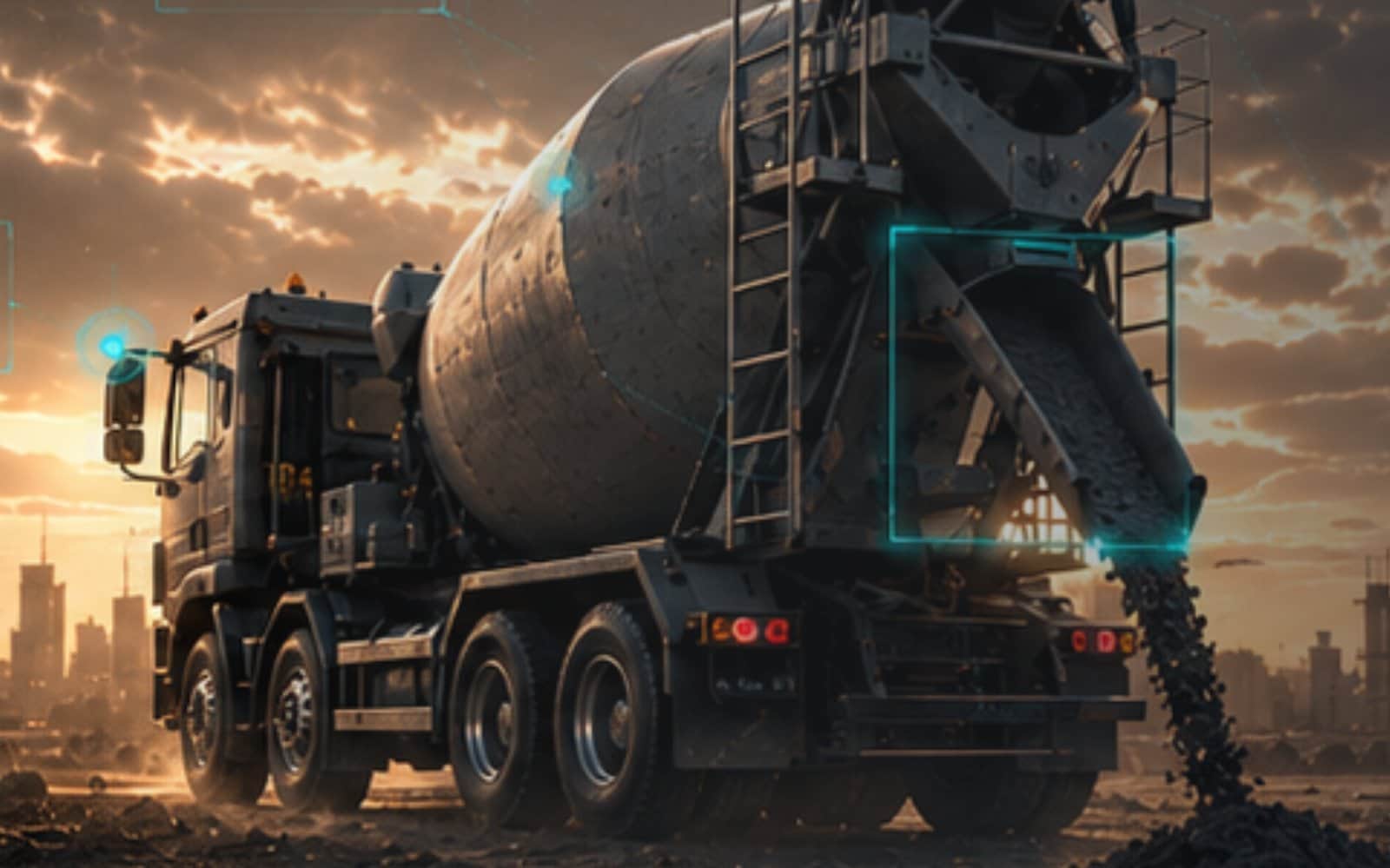
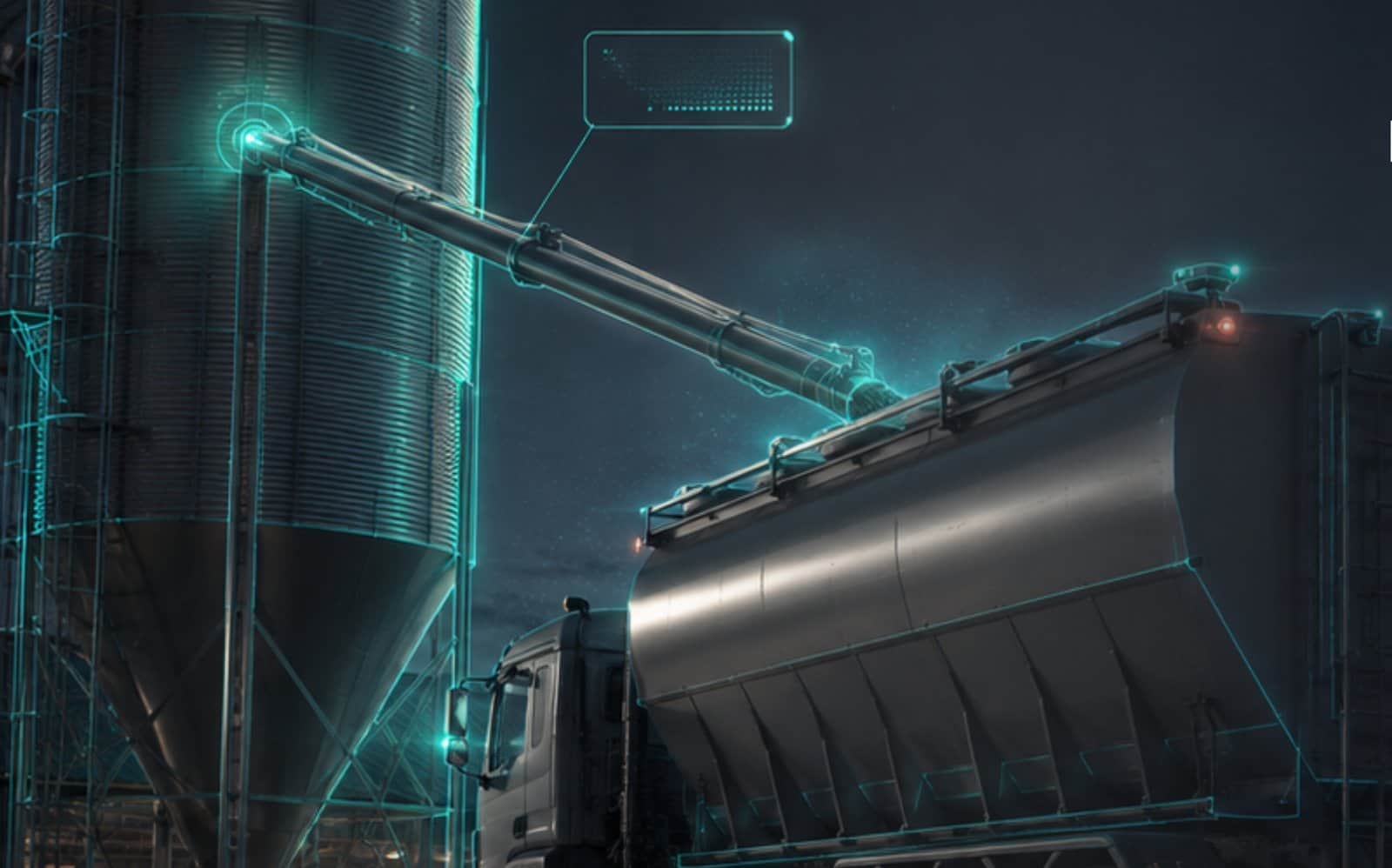
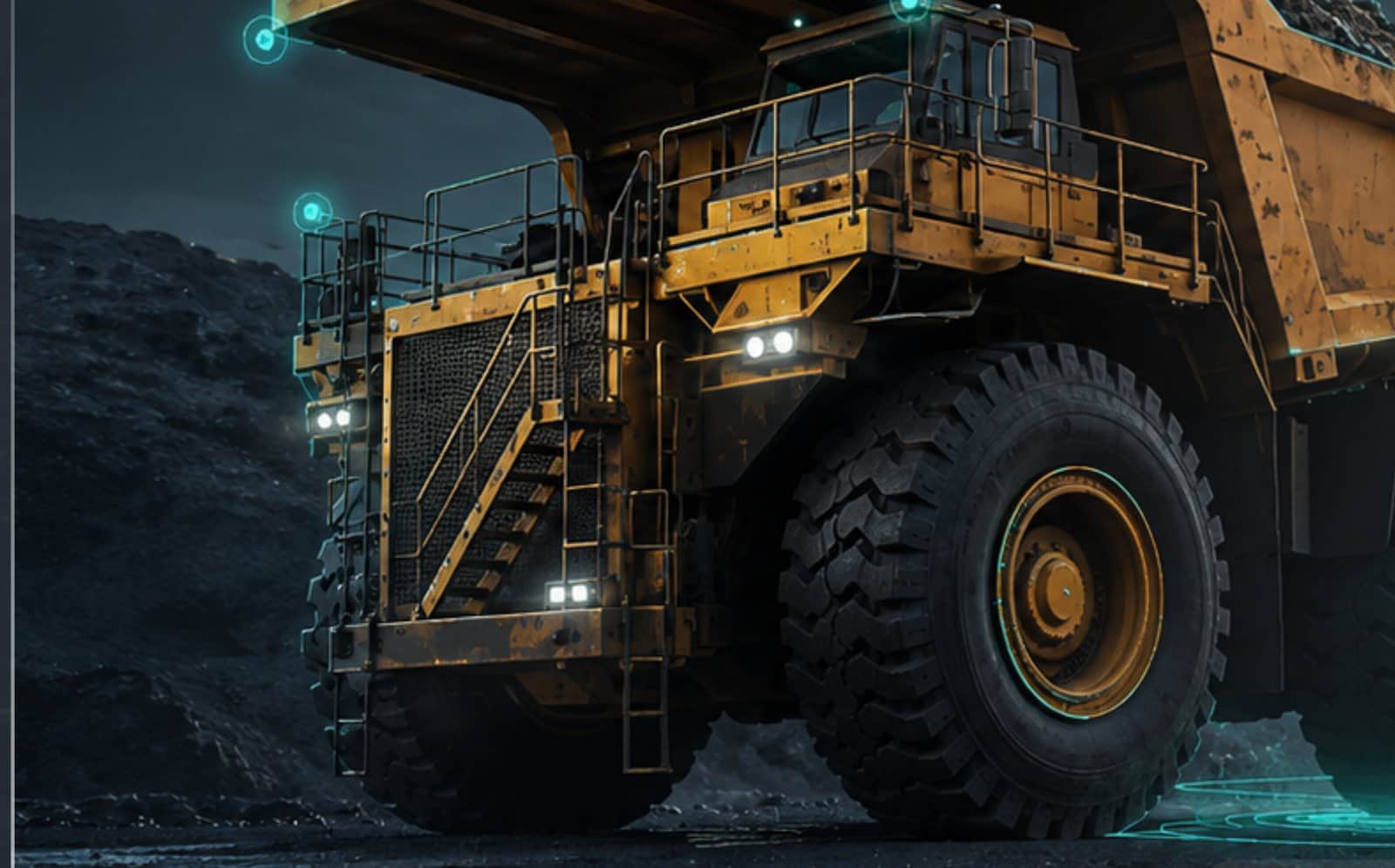
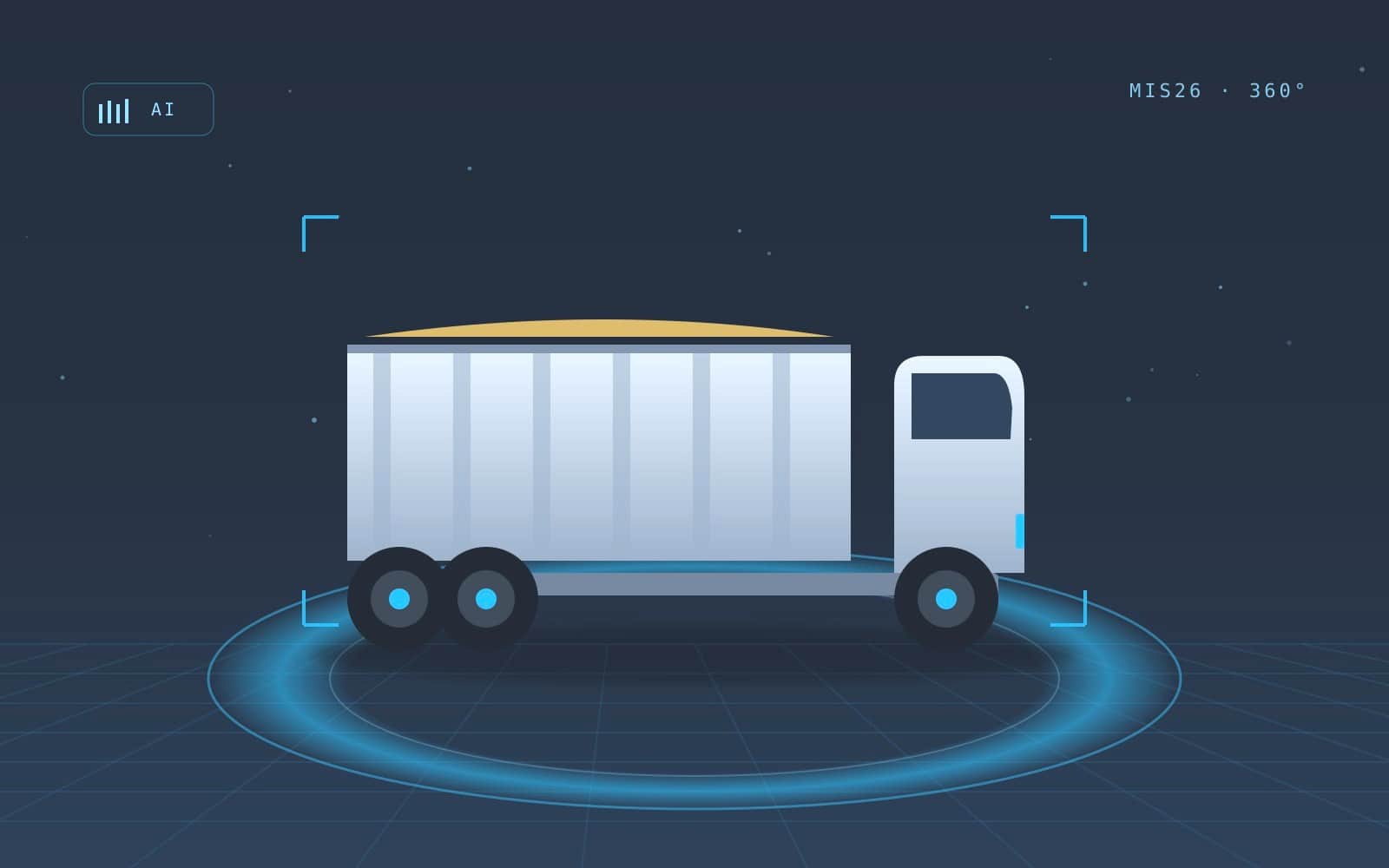
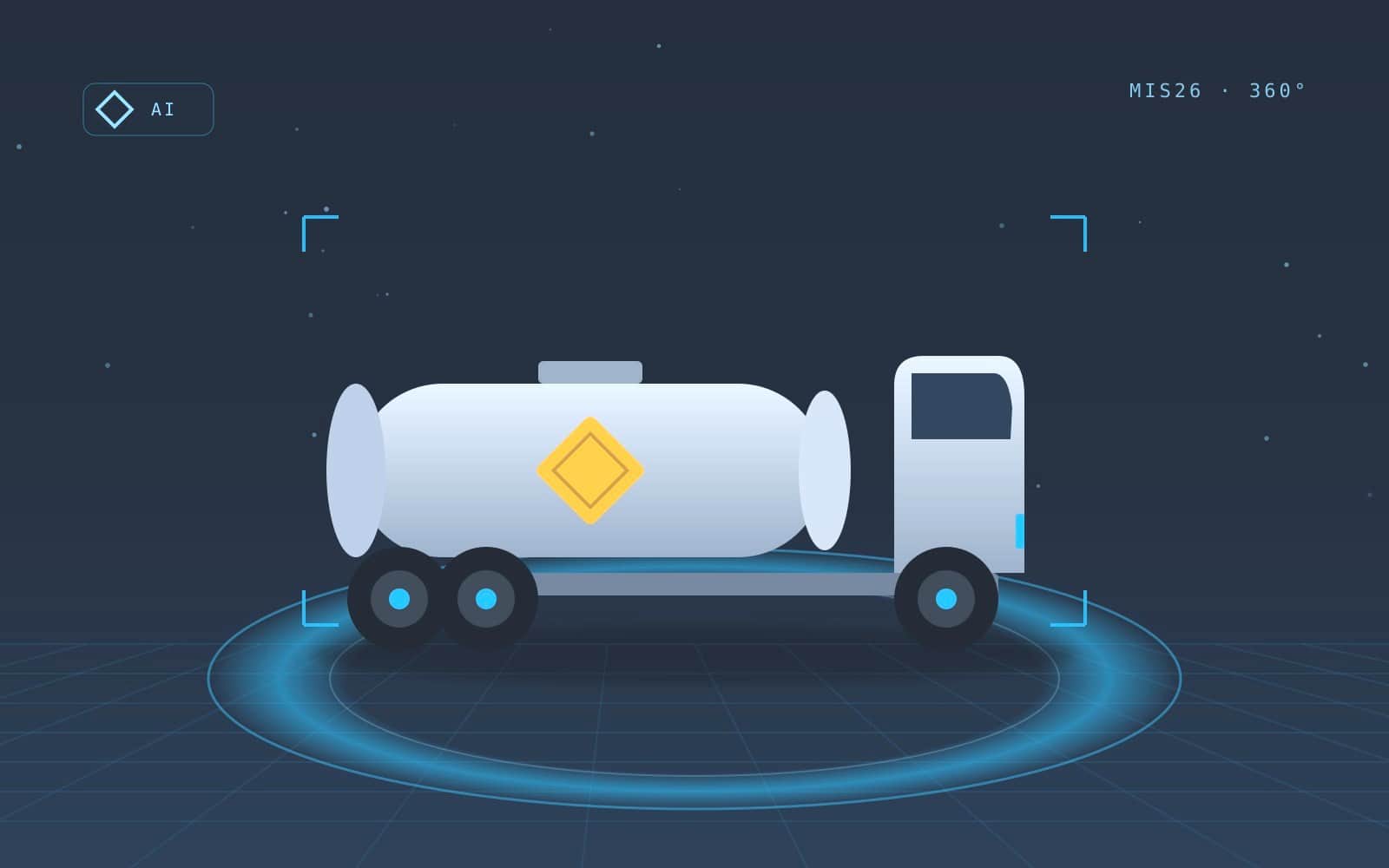
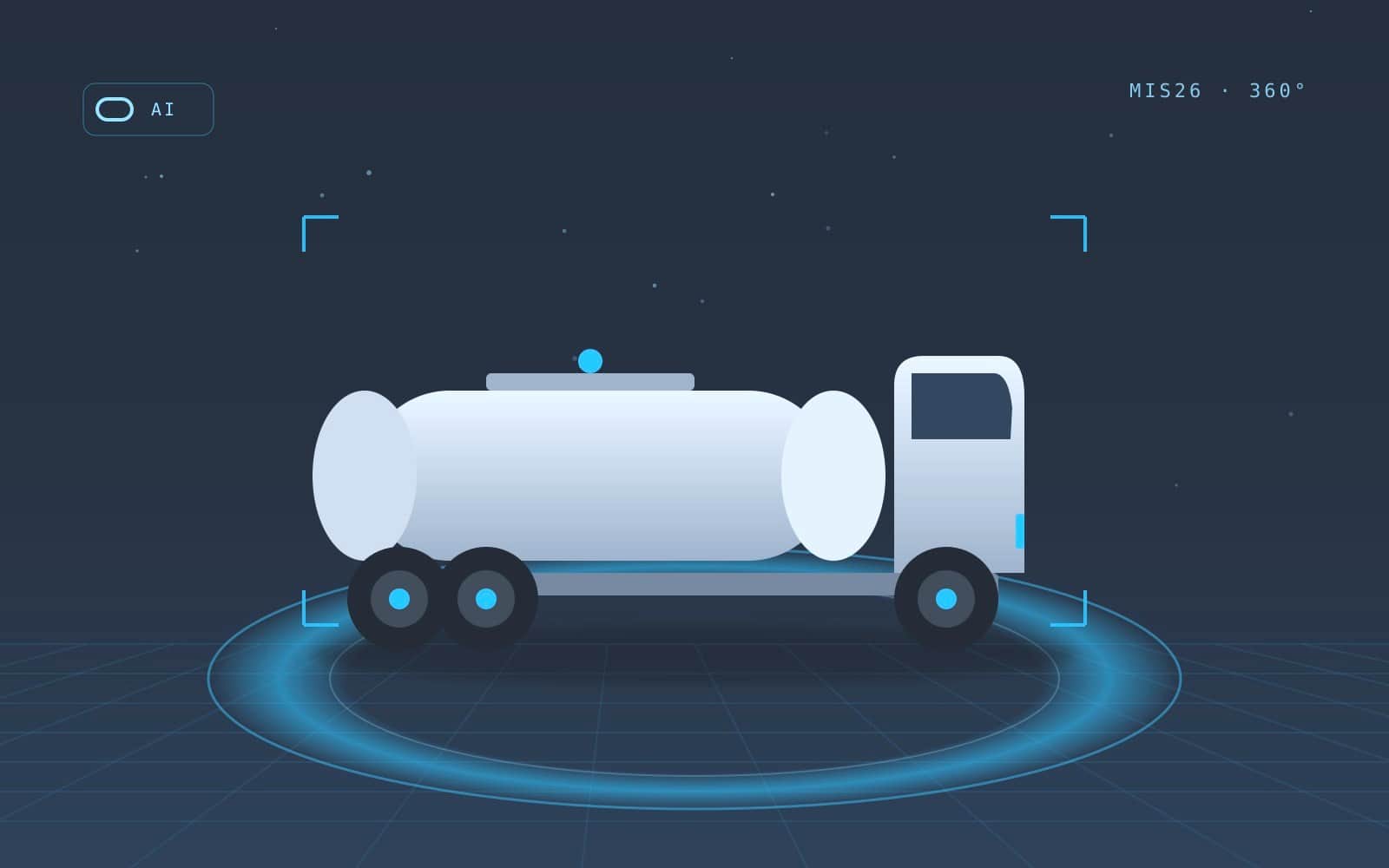
In distribution and hauling, what isn't measured isn't really controlled. MIS26 turns every fleet action into digital proof: proof of delivery with a digital signature and ERP sync, route optimization that saves fuel and time, tanker control and pallet counting - plus a dedicated system for every truck type: concrete mixer, feed hauler, mining truck, tanker, reefer, containers and more. Cameras and an AI computer on the truck, dashboard and app in the cloud.
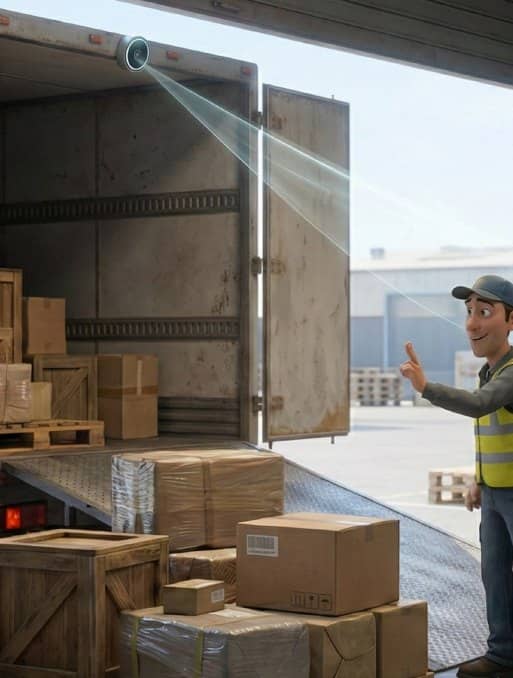
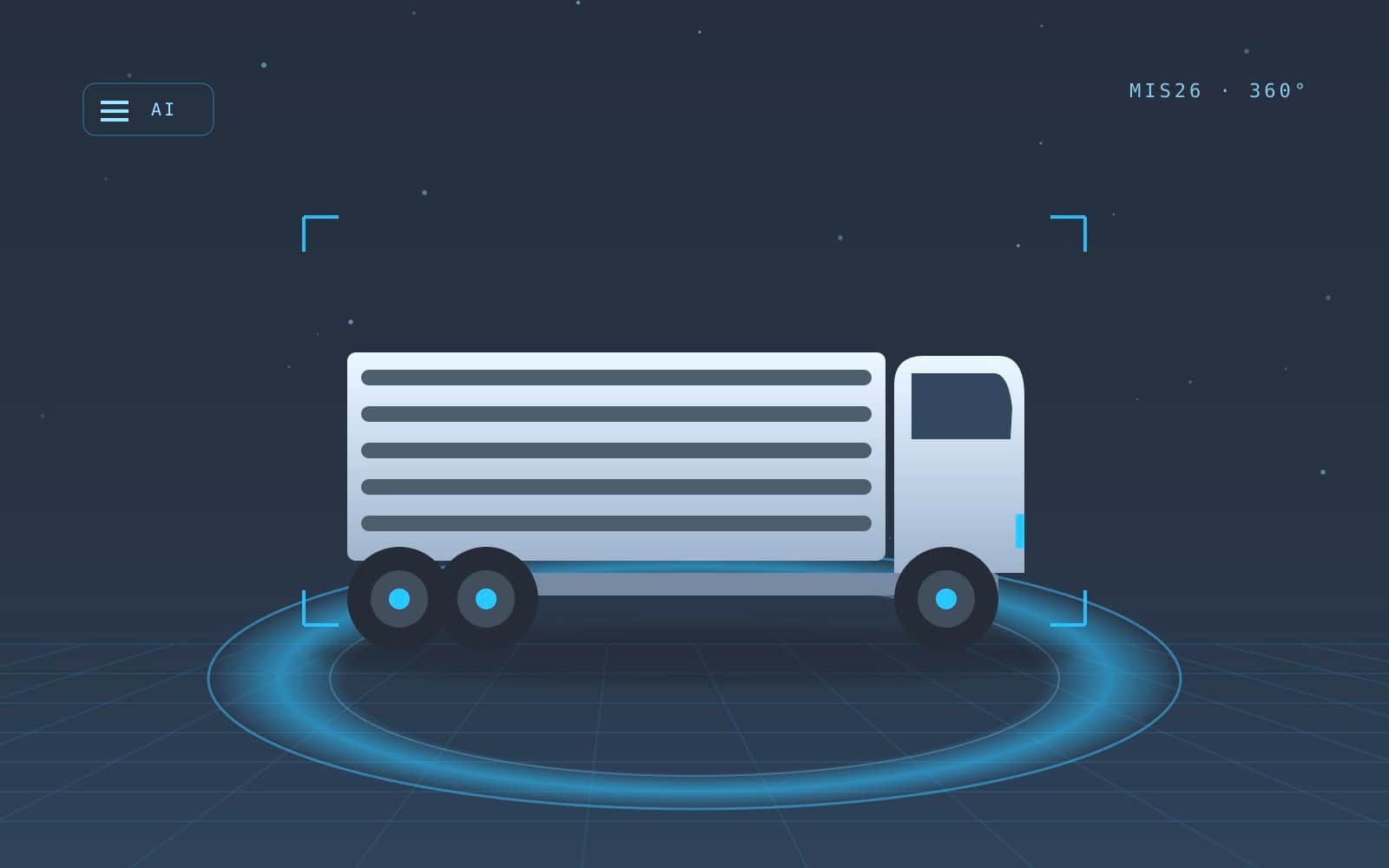
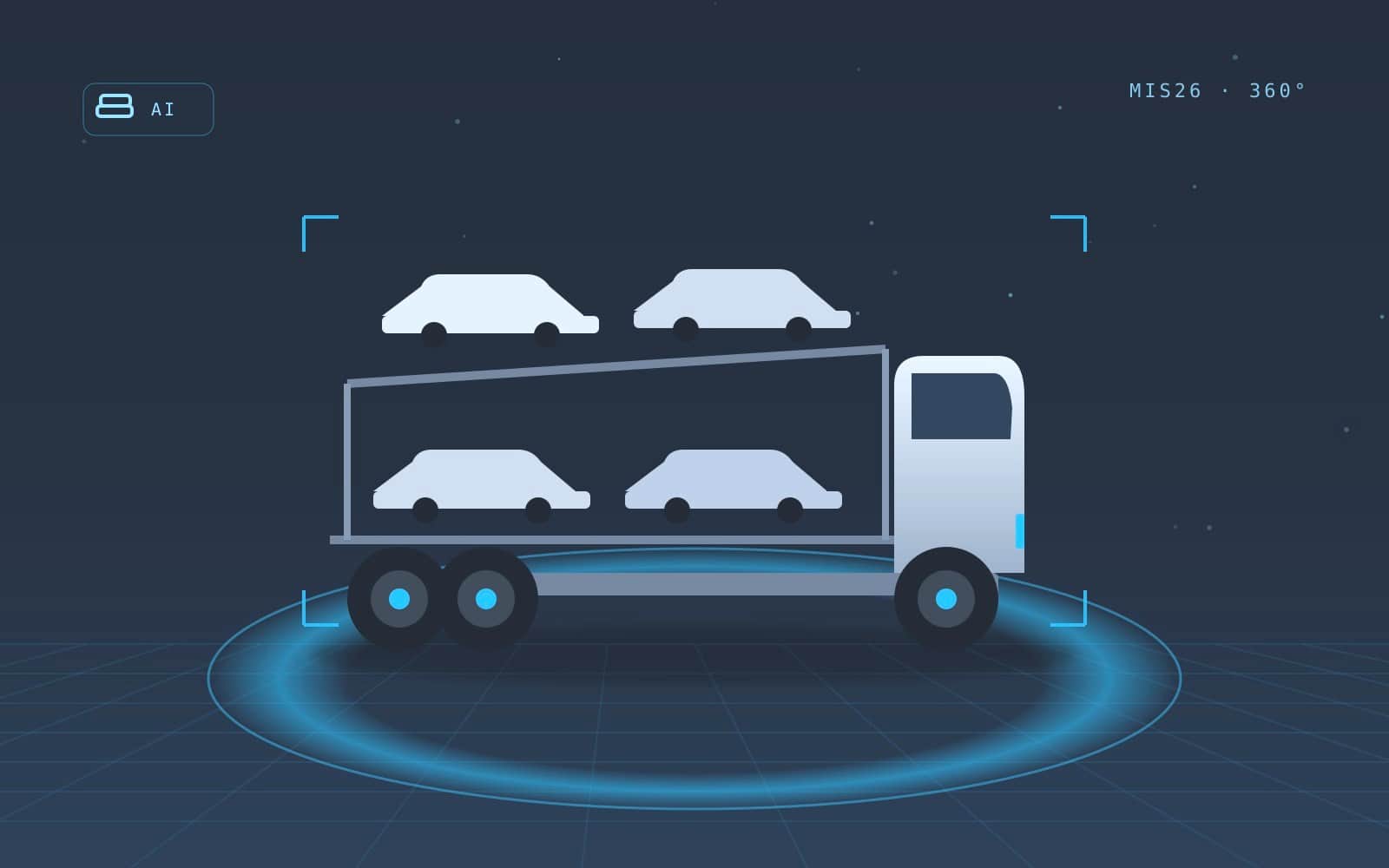
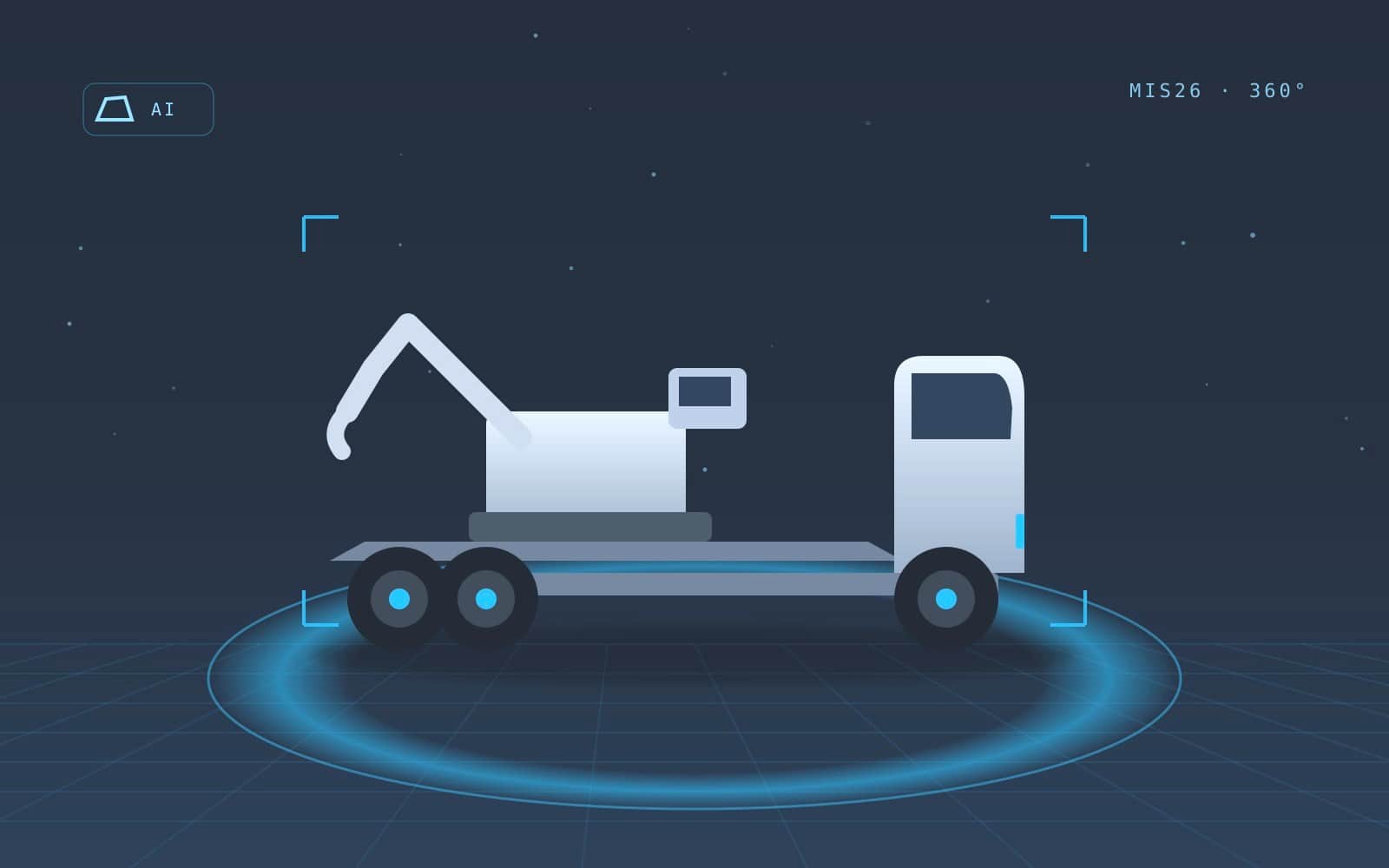
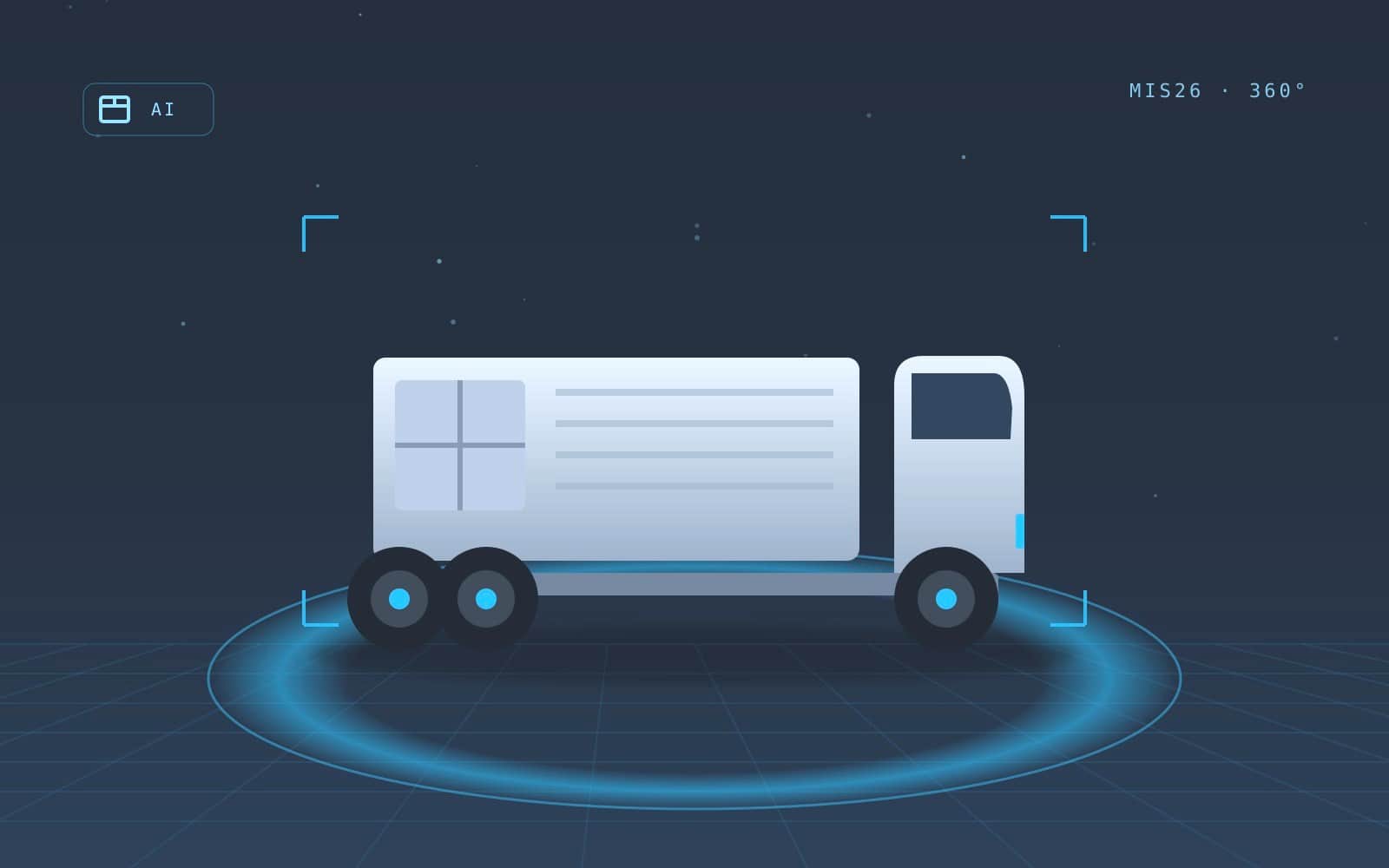
By truck type
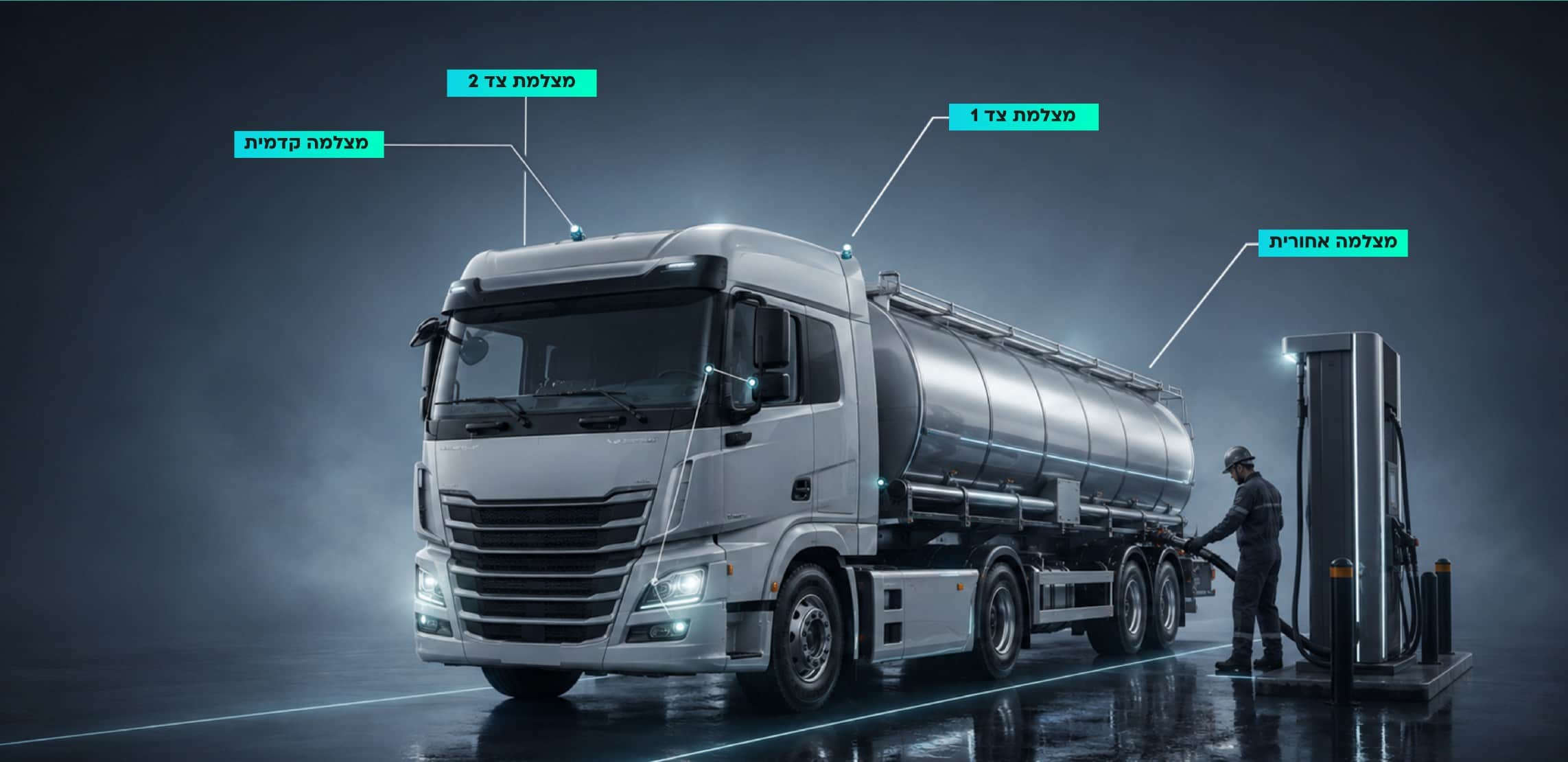
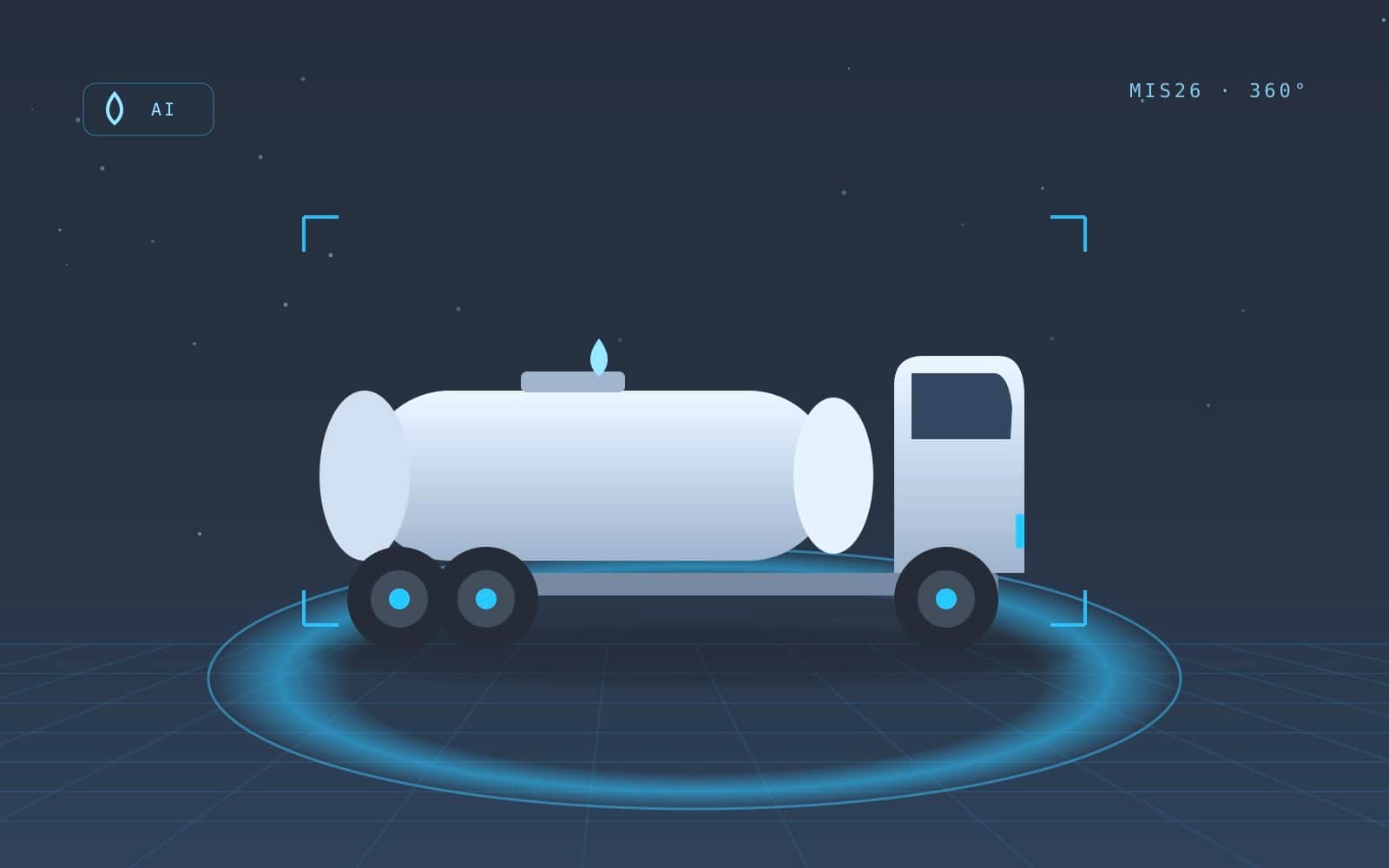
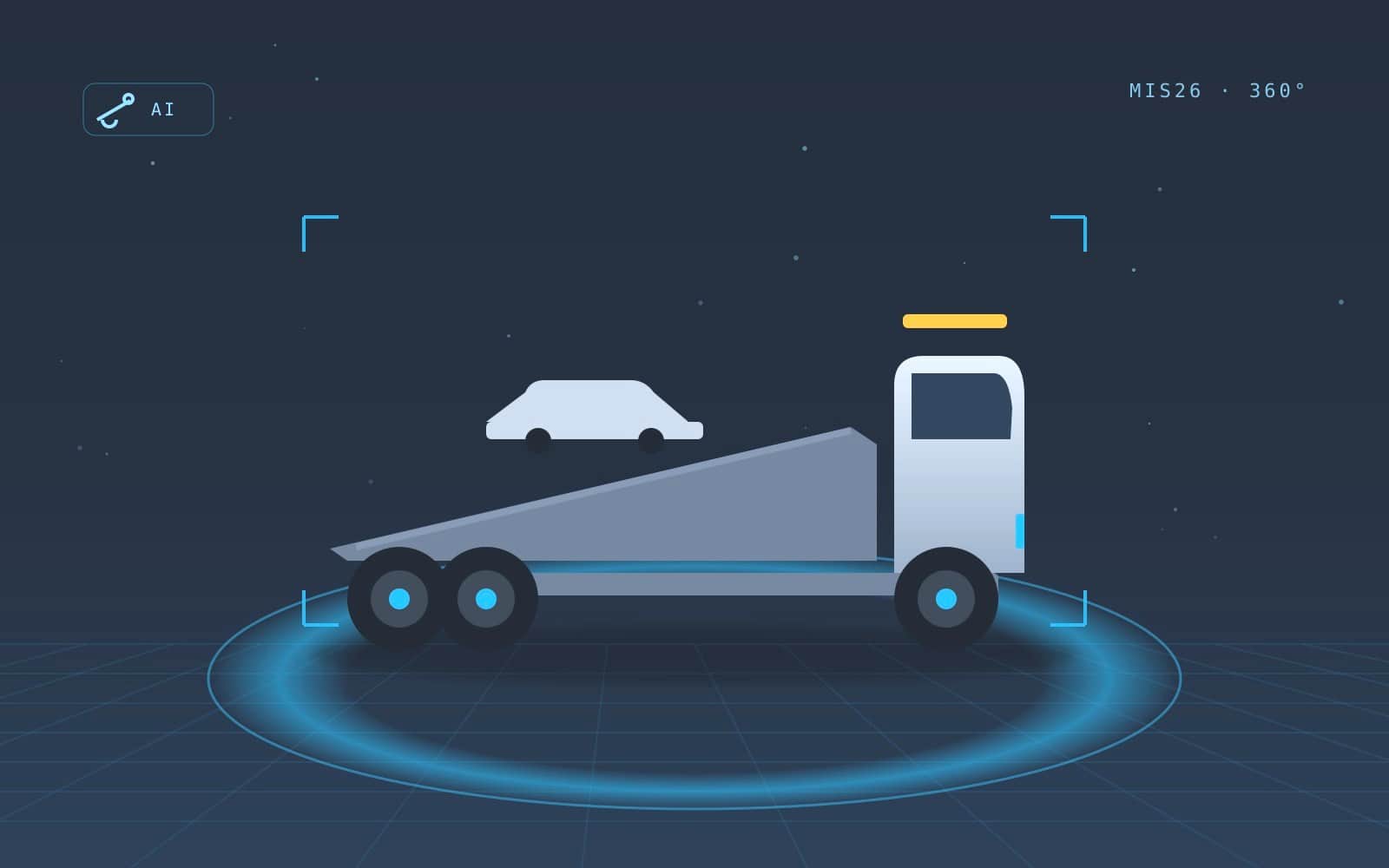
A dedicated system per truck type - the same AI core, fit to the specific pain.
From the field
A national distribution fleet - hundreds of deliveries a day
A leading consumer-goods distributor: dozens of points of sale a day, thousands of pallets - and no way to prove what was delivered when disputes arrived. With MIS26 every delivery gets a photo, time, location and quantities, updated live to the dashboard and app.
- An end to disputes and credits with points of sale
- Documented pallet and returns counting - instead of manual counts
- Routes driven by field data instead of gut feel
A distribution operation at national scale - TMS Ai POD
Proof-of-delivery rollout across the distribution fleet: automatic load/unload verification, pallet and box recognition and direct feed into company systems - no manual scanning, no paperwork.
- Every stop becomes a measured, documented delivery event
- Less stop time, fewer errors and shortages
Route optimization for a distribution fleet
An AI engine builds the most efficient delivery route in seconds - from driver and vehicle constraints, customer delivery windows and live traffic. Fewer wasted kilometers, less fuel, and more delivery points in the same day.
- Fewer wasted trips and less fuel
- More delivery points in the same day
- A route that updates by real-time constraints
Digital proof of delivery with signature and ERP sync
The customer signs on the driver's mobile, the signed slip returns to the system automatically and syncs to the ERP - no paperwork, with full control over every delivery note and settlement that closes in days instead of weeks.
- A digital signature in the field on the driver's device
- Automatic filing and ERP sync
- Full control over every delivery note
From documents to evidence: three levels of proof of delivery
Most of the market still settles on documents - paper or digital. The difference between a document and evidence is the difference between 'it says delivered' and 'you can see it delivered'.
Recipient signature
- Paper slips
- ✓
- Digital delivery ticket
- ✓
- MIS26 Proof to Payment
- ✓
GPS and time stamp on every stop
- Paper slips
- -
- Digital delivery ticket
- ✓
- MIS26 Proof to Payment
- ✓
Video of loading and unloading
- Paper slips
- -
- Digital delivery ticket
- -
- MIS26 Proof to Payment
- ✓
Automatic pallet and package counting
- Paper slips
- -
- Digital delivery ticket
- -
- MIS26 Proof to Payment
- ✓
Weighing data integration - weighbridges and on-board scales
- Paper slips
- -
- Digital delivery ticket
- Partial
- MIS26 Proof to Payment
- ✓
Real-time exception detection
- Paper slips
- -
- Digital delivery ticket
- -
- MIS26 Proof to Payment
- ✓
Dispute strength: what you show when it's contested
- Paper slips
- A signed slip, if found
- Digital delivery ticket
- A digital record
- MIS26 Proof to Payment
- Video + count + location and time
Monthly settlement close
- Paper slips
- Weeks
- Digital delivery ticket
- Days to weeks
- MIS26 Proof to Payment
- Days
The comparison refers to common solution categories in the market, not to any specific vendor.
Frequently Asked Questions
Which fleets fit the solution?
Distribution and delivery fleets, fuel tankers, bulk hauling and any other heavy fleet - the systems adapt to the operation: proof of delivery, discharge control or route management.
How fast is the return on investment?
Customer disputes and credits stop almost immediately once digital proof exists, and stop times and errors drop within the first months - that is where most of the savings live.
What happens without internet?
The system keeps working: recording and processing run locally on the vehicle, and data syncs to the cloud once connectivity returns - no events lost.
How long does a vehicle installation take?
A typical installation takes a few hours per vehicle and is scheduled around the fleet's workday - no downtime for the operation.
How long is footage kept?
Playback reaches up to six months back - video, stills, locations and event data, with targeted retrieval in minutes.
Want to see it on your fleet?
Tell us about your operation - we'll come back with a tailored solution.